how much extra protein to build muscle Protein to build muscle: how much you really need
Protein to Build Muscle: How Much You REALLY Need When it comes to building muscle, protein is often considered the holy grail of nutrients. It plays a crucial role in muscle repair and growth, making it essential for anyone looking to improve their physique. But how much protein do you really need? In this article, we’ll dig deep into the science behind protein consumption and provide you with some valuable insights. Before we get started, it’s important to note that individual protein needs can vary depending on several factors, including age, weight, sex, and activity level. However, there are some general guidelines that can help you determine how much protein you should be consuming on a daily basis. According to the Dietary Reference Intake (DRI), the recommended daily allowance (RDA) for protein is 0.8 grams per kilogram of body weight. This means that a sedentary adult weighing 68 kilograms (150 pounds) should aim for approximately 55 grams of protein per day. However, for individuals engaged in regular resistance training or other intense physical activities, this amount may not be sufficient. To maximize muscle growth, many experts recommend consuming around 1.2 to 2 grams of protein per kilogram of body weight. This means that our sedentary 68-kilogram adult would need to increase their protein intake to 82-136 grams per day. Keep in mind that these numbers are just general recommendations and may need to be adjusted based on individual needs and goals. Incorporating protein-rich foods into your diet is crucial to meeting your daily protein requirements. Some excellent sources of protein include lean meats such as chicken, turkey, and beef, as well as fish, eggs, dairy products, and legumes. Plant-based sources of protein like tofu, quinoa, and lentils can also make significant contributions to your overall protein intake. Now, let’s delve deeper into the importance of protein for muscle building. When you engage in resistance training or other forms of exercise, you create small tears in your muscle fibers. Protein helps repair these tears and rebuild your muscles, leading to hypertrophy (muscle growth). Additionally, protein provides the necessary amino acids that act as building blocks for muscle protein synthesis. To ensure optimum muscle growth and recovery, it’s essential to distribute your protein intake throughout the day. Consuming protein-rich meals or snacks every 3-4 hours helps maintain a positive muscle protein balance, facilitating muscle growth. By spreading your protein intake evenly, you provide your body with a steady supply of amino acids to support muscle repair and growth. In addition to the quantity of protein consumed, the quality of protein is also important. High-quality protein sources contain all nine essential amino acids that your body cannot produce on its own. These include animal-based protein sources like meat, fish, and dairy products. However, if you follow a vegetarian or vegan diet, you can still obtain all essential amino acids by combining different plant-based protein sources. To ensure you’re meeting your protein needs, it can be helpful to calculate your daily intake. Start by tracking your protein consumption for a few days using a food diary or a mobile app. This will give you an idea of how much protein you’re currently consuming and help you make any necessary adjustments. Remember, while protein is vital for muscle building, it’s just one piece of the puzzle. A well-rounded diet that includes adequate carbohydrates and healthy fats, along with regular exercise, is essential for optimizing your muscle-building journey. In conclusion, protein plays a crucial role in building muscle. To determine how much protein you need, consider factors such as your weight, activity level, and goals. Aim to consume 1.2 to 2 grams of protein per kilogram of body weight and distribute your intake throughout the day. Choose high-quality protein sources and track your intake to ensure you’re meeting your needs. By incorporating these strategies into your routine, you’ll be well on your way to maximizing muscle growth and achieving your fitness goals. Image 1:
Protein to Build Muscle
 Image: BeeFiddle
Image 2: Protein to Build Muscle
 Image: BeeFiddle
If you are searching about How Much Protein Do You REALLY Need To Build Maximum Muscle? – Part 1 you’ve came to the right web. We have 5 Pictures about How Much Protein Do You REALLY Need To Build Maximum Muscle? – Part 1 like High Protein Foods To Build Muscle | Protein to build muscle, Muscle, Protein to Build Muscle: How Much You REALLY Need - BeeFiddle and also Protein to Build Muscle: How Much You REALLY Need - BeeFiddle. Here you go:
How Much Protein Do You REALLY Need To Build Maximum Muscle? – Part 1
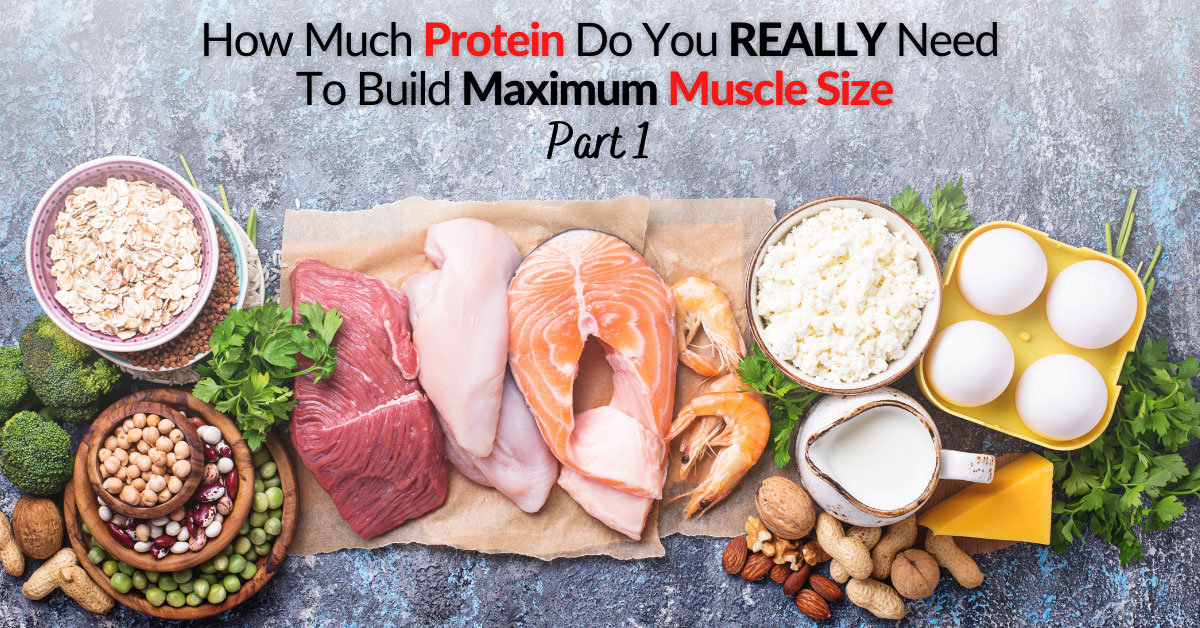 drsamrobbins.comprotein really much need build maximum muscle
Protein To Build Muscle: How Much You REALLY Need - BeeFiddle
beefiddle.comprotein
Protein To Build Muscle: How Much You REALLY Need - BeeFiddle
beefiddle.comreally
Best Protein For Muscle Gain: How Much Protein Do You Need? - Health
 healthnewsatyourfingertips.commuscle fingertips
High Protein Foods To Build Muscle | Protein To Build Muscle, Muscle
 www.pinterest.comaumentar whey must dieta gymguider dangers overtraining
Best protein for muscle gain: how much protein do you need?. How much protein do you really need to build maximum muscle? – part 1. Protein to build muscle: how much you really need