how are metals classified Transition metals
The periodic table is a fundamental tool in chemistry, used to organize and categorize the elements based on their properties. It provides us with a wealth of information about each element, including their atomic number, atomic weight, and electron configuration. One important aspect of the periodic table is the classification of elements as metals. Metals are known for their high luster, malleability, and ability to conduct electricity and heat.
Class A Hard Metals
 Within the realm of metals, there is a specific group known as Class A Hard metals. These metals exhibit exceptional levels of hardness, making them ideal for a variety of applications that require durability and resistance to wear and tear. Some examples of Class A Hard metals include tungsten, titanium, and chromium.
Tungsten, also known as wolfram, is a dense and extremely hard metal with the highest melting point of all the elements. It is commonly used in light bulb filaments, electrical contacts, and various industrial applications. Titanium is another notable member of the Class A Hard metal group. It is corrosion-resistant, lightweight, and possesses excellent strength-to-weight ratio, making it highly sought after in aerospace and medical industries. Chromium, on the other hand, is valued for its ability to form a protective oxide layer, making it ideal for applications involving corrosion resistance, such as stainless steel production.
Transition Metals
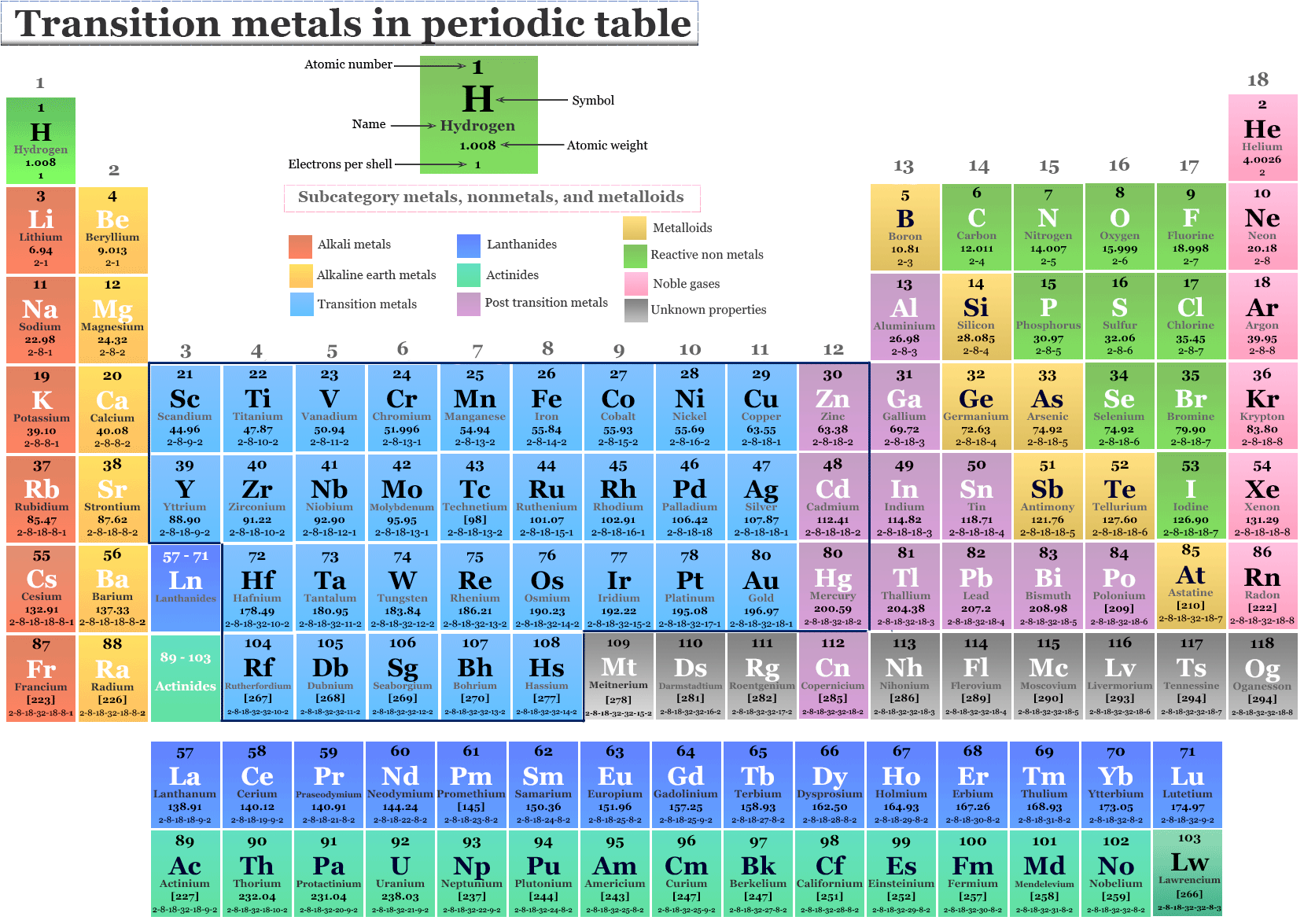 In addition to Class A Hard metals, another group of metals that play a crucial role in the periodic table are transition metals. Transition metals are characterized by their ability to form stable complex ions and exhibit multiple oxidation states. This versatility makes them important elements for various industries and biological processes.
One well-known example of a transition metal is iron. It is an essential element for life, as it is a critical component of hemoglobin, the oxygen-carrying molecule in our blood. Iron is also widely used in construction, manufacturing, and transportation industries due to its strength and ability to form alloys with other metals. Another widely recognized transition metal is copper. It is highly conductive and has excellent corrosion resistance, making it a crucial component in electrical wiring, plumbing, and many other applications.
Other notable transition metals include zinc, silver, and gold. Zinc is commonly used as a protective coating for steel to prevent corrosion. Silver is not only valued for its aesthetic appeal but also for its exceptional electrical and thermal conductivity. Gold, on the other hand, is highly resistant to corrosion and is prized for its beauty and rarity.
In conclusion, the periodic table provides us with a comprehensive understanding of metals and their various properties. Class A Hard metals, such as tungsten, titanium, and chromium, exhibit exceptional hardness, making them suitable for applications requiring durability. Transition metals, including iron, copper, zinc, silver, and gold, play essential roles in various industries and biological processes due to their versatility and unique properties. The study of metals and their placement in the periodic table continues to advance our knowledge and pave the way for groundbreaking discoveries and technological advancements.
If you are looking for The periodic table showing those metals classified as: Class A: hard you’ve visit to the right page. We have 5 Pictures about The periodic table showing those metals classified as: Class A: hard like The periodic table showing those metals classified as: Class A: hard, CLILstore unit 2871: The classification of the elements and also Transition Metals - Elements, Definition, List, Properties. Read more:
The Periodic Table Showing Those Metals Classified As: Class A: Hard
 www.researchgate.netperiodic those
Transition Metals - Elements, Definition, List, Properties
www.priyamstudycentre.comtransition metals elements periodic table list properties definition block names
CLILstore Unit 2871: The Classification Of The Elements
multidict.netperiodic table elements metalloids non groups classification valence nonmetals electrons modern atomic chemistry mass metals physical properties ck valency ck12
Basic Types Of Metals On The Periodic Table

Periodic Table List Of Metals - Periodic Table Timeline
utedzz.blogspot.comperiodic metals darkest
Transition metals. Periodic metals table types basic elements base examples. Clilstore unit 2871: the classification of the elements